Training for Ice Drills to Improve Line Communication
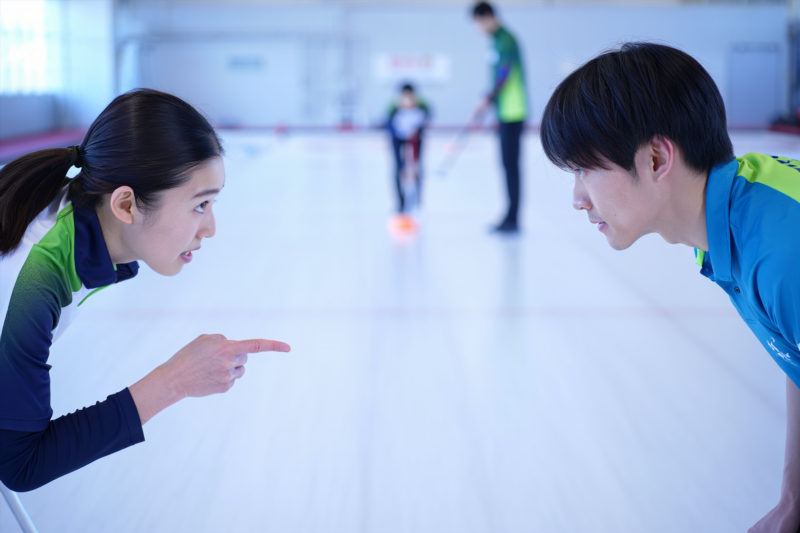
Enhancing on-ice communication is a critical component of winning in curling. Precision in line weight—how hard players throw and guide stones—is directly influenced by clear, reliable communication among team members. At SweetIce Curling Hub, we understand that mastering these skills requires targeted training that refines both technical execution and team dynamics. This article explores specialized drills designed to elevate line communication, ensuring your team performs with confidence, consistency, and strategic clarity on the ice.
Why Focus on Line Communication?
Line weight accuracy is essential for executing precise shots and successful end strategies. Miscommunication can lead to missed shots, needless points for opponents, or lost opportunities to score. Effective communication:
- Ensures every team member understands the intended line and weight.
- Facilitates seamless coordination during complex shot sequences.
- Builds trust and cohesion, especially during high-pressure moments.
By honing communication skills through dedicated drills, teams can significantly improve their overall performance and consistency.
Core Elements of Effective On-Ice Communication
Before diving into specific drills, it’s important to recognize the key components of successful line communication:
| Key Components | Description |
| Clarity | Clear, concise directions and feedback |
| Confidence | Trust in teammates’ calls and responses |
| Consistency | Regular, reliable exchanges during play |
| Calmness and Focus | Maintaining composure to communicate effectively |
| Non-verbal Cues | Using gestures and body language to supplement verbal communication |
Building proficiency in these areas forms the foundation for executing effective drills.
Specialized Drills for Enhancing Line Weight Communication
Below are targeted drills designed to improve communication accuracy and team synergy in controlling line weight on the ice.
1. Call and Confirm Drill
Purpose: Reinforces clear verbal communication and mutual understanding of shot intent.
Setup:
- Pair players as “Caller” and “Receiver.”
- The Caller determines a hypothetical shot line and weight.
- The Receiver must interpret and repeat the call accurately.
Execution:
- The Caller describes the intended shot (e.g., “light, tap behind the guard”).
- The Receiver verbalizes the interpretation.
- Provide feedback on clarity and accuracy.
- Repeat with varying shot descriptions, gradually increasing complexity.
Benefit: Develops precise verbal cues and active listening skills essential for line weight accuracy.
2. Distraction Response Exercise
Purpose: Builds resilience and focus under pressure, improving communication reliability.
Setup:
- Two players on the ice, one as thrower, another as communicator.
- Include controlled noise distractions or movement cues.
Execution:
- The thrower practices delivering stones with specific line weight instructions.
- The communicator provides real-time directional feedback amidst distractions.
- Opponents or coaches introduce noise to simulate game conditions.
Benefit: Trains players to maintain clear, calm communication during tense moments.
3. Visual and Verbal Synchronization Drill
Purpose: Integrates non-verbal cues with verbal communication to enhance team understanding.
Setup:
- Team members perform shots with designated hand gestures indicating desired line or weight.
- Verbal commands complement visual cues.
Execution:
- Players practice executing shots based on combined cues.
- Emphasize timing and mutual understanding of signals.
- Switch roles to ensure all players develop multiple communication skills.
Benefit: Creates a multi-layered communication system that reinforces understanding and reduces misinterpretation.
4. Scenario-Based Strategy Sessions
Purpose: Simulates real-game situations requiring team coordination.
Setup:
- Coaches or players present end scenarios (e.g., “Opponent has a guard, we need a precise hit”).
- Teams discuss and agree on communication strategies before executing shots.
Execution:
- Develop a call plan for each scenario.
- Practice delivering and interpreting communications under timed conditions.
- Review and refine based on outcomes.
Benefit: Enhances strategic communication skills and confidence in high-stakes situations.
Integrating Drills into Training Routine
To maximize effectiveness, integrate these drills into your regular training schedule:
- Warm-up: Incorporate quick communication exercises to set the tone.
- Skill Development: Dedicate specific sessions to drills focusing on line weight and communication.
- Game Simulation: Use scenario-based drills before competitive matches to prepare the team for real conditions.
- Reflection: Post-drill discussions to analyze what worked and areas for improvement.
Final Thoughts: Elevate Your Team’s Precision
Consistent, focused training in on-ice communication elevates your team’s ability to execute with precision and confidence. Remember, mastery of line weight measurement is as much about technical skill as it is about effective communication. By adopting these specialized drills, your team can develop a robust, reliable communication system that translates into better shot accuracy, strategic flexibility, and ultimately, more wins on the ice.
Frequently Asked Questions
How often should my team practice these communication drills?
Integrate these drills into your regular practice sessions, ideally 2-3 times per week, to build muscle memory and trust. Consistency is key to seeing measurable improvement.
Can these drills benefit beginner teams?
Absolutely. Even beginners benefit from developing foundational communication skills early on, which accelerates learning and confidence.
Are there tools or accessories to enhance communication training?
Using visual aids like hand signals, designated calling boards, or microphones in larger practice settings can reinforce verbal and non-verbal cues.
How do I measure improvement in on-ice communication?
Track accuracy of shot calls, team cohesion during matches, and subjective confidence levels. Video recordings can also help review practices for constructive feedback.
Ready to take your curling team’s line communication to the next level? Incorporate these proven drills into your training and watch your team’s precision, collaboration, and performance improve dramatically. For expert guidance, tailored training plans, or more strategies, visit SweetIce Curling Hub — your modern curling platform dedicated to mastering the science of the sport.