Mental Training for Precision Sports to Boost Focus Confidence
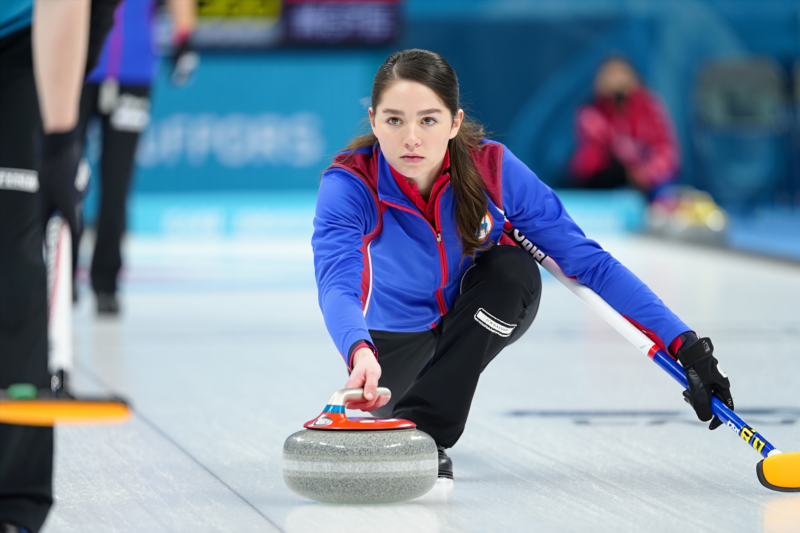
Unlock Your Full Potential in Curling and Precision Sports
In the fast-paced world of precision sports such as curling, archery, and shooting, mental strength is just as vital as physical skill. Whether you’re striving to perfect your sweeping mechanics or master end-by-end tactics, the key to consistent success lies in your mind. SweetIce Curling Hub understands this deeply, recognizing that mental training is the cornerstone of peak performance.
This article explores proven mental training techniques designed to enhance focus, reset your mindset, and boost confidence—empowering athletes to perform their best in every match or event.
Why Mental Training Matters in Precision Sports
Precision sports demand unwavering concentration, strategic thinking, and emotional resilience. Your physical skills can only carry you so far; it’s your mental game that differentiates good athletes from elite performers.
Common Challenges Faced by Athletes in Precision Sports
- Performance Anxiety: Nerves that impair execution during critical moments.
- Lost Focus: Distractions on the ice or field derail concentration.
- Self-Doubt: Negative thoughts undermine confidence.
- Inconsistent Results: Variability in mental state affects consistency.
Addressing these challenges through targeted mental training techniques can lead to greater consistency, improved confidence, and ultimately, better results.
Core Mental Training Strategies to Reset Your Mindset
1. Mindfulness and Present-Moment Focus
Why it works: Enhances concentration by training your brain to stay engaged in the current shot or event, reducing distraction and anxiety.
How to practice:
- Engage in daily mindfulness exercises, such as focused breathing or body scans.
- Before each shot, take a few deep breaths to center your attention.
- Use mental cues like “Now” or “Focus” to anchor your awareness.
2. Visualization and Mental Rehearsal
Why it works: Activates neural pathways similar to actual practice, building confidence and reducing performance nerves.
How to practice:
- Visualize successful outcomes vividly, including technique, ice reading, and communication.
- Practice mental rehearsal of challenging scenarios, such as facing adverse conditions or a tight score.
3. Cognitive Restructuring
Why it works: Replaces negative self-talk with positive, empowering thoughts that reinforce confidence.
How to practice:
- Identify limiting beliefs (e.g., “I can’t make this shot”).
- Replace them with affirmations like “I am focused and capable.”
- Keep a mental or physical journal of positive self-statements.
4. Building a Pre-Shot Routine
Why it works: Creates consistency, reducing uncertainty and enhancing focus.
How to practice:
- Develop a sequence of physical and mental steps before each shot.
- Stick to this routine diligently, reinforcing a sense of control.
Techniques to Boost Confidence During Competition
| Technique | Description | Benefits |
| Power Positivity | Use positive affirmations consistently | Reinforces belief in your abilities |
| Focus Anchors | Develop keywords or gestures to regain focus | Quickly refocus amid chaos |
| Progressive Relaxation | Tension-release exercises pre- and post-match | Reduces anxiety and improves recovery |
The Science Behind Mental Reset and Focus Enhancement
Recent neuromarketing research indicates that neural pathways associated with attention and emotion regulation can be trained much like muscles. Regular mental training results in neuroplastic changes, promoting greater emotional resilience and improved focus under pressure.
In addition, understanding end-by-end tactics and psychology of precision—such as maintaining composure after a miss—can be mastered through mental resilience techniques like mindfulness meditation and visualization.
Frequently Asked Questions
How long does it take to see results from mental training?
Results depend on your current mental state and consistency. Typically, noticeable improvements in focus and confidence occur within 4-6 weeks of regular practice.
Can mental training replace physical practice?
No. Mental training complements physical practice, enhancing your ability to translate skills into competition under pressure.
What if I still perform poorly after mental training?
Performance issues might be due to other factors such as physical fatigue or technical shortcomings. Psychoeducation and a holistic approach—including coaching, physical conditioning, and nutrition—are recommended.
Take Action Now: Reset Your Mindset for Peak Performance
- Start today: Incorporate mindfulness or visualization into your daily routine.
- Create a pre-shot plan: Develop a consistent routine to anchor your focus.
- Use positive language: Replace doubts with empowering affirmations.
- Track your progress: Keep a mental training journal to measure improvements.
Your mental game is the secret weapon—strengthen it today to elevate your precision sports performance to new heights.
Achieving laser-sharp focus and unshakeable confidence in precision sports like curling requires intentional mental training. By resetting your mindset, implementing proven strategies, and understanding the neuroscience behind focus and resilience, you can unlock your true potential. Remember, mental toughness is cultivated, not born—start your journey now with dedicated practice and watch your game transform.
Ready to elevate your game? Discover more expert insights, training techniques, and detailed match analysis at SweetIce Curling Hub—your ultimate platform for mastering the art and science of curling.