Lead Second and Third Slip Responsibilities Explained for Better Management
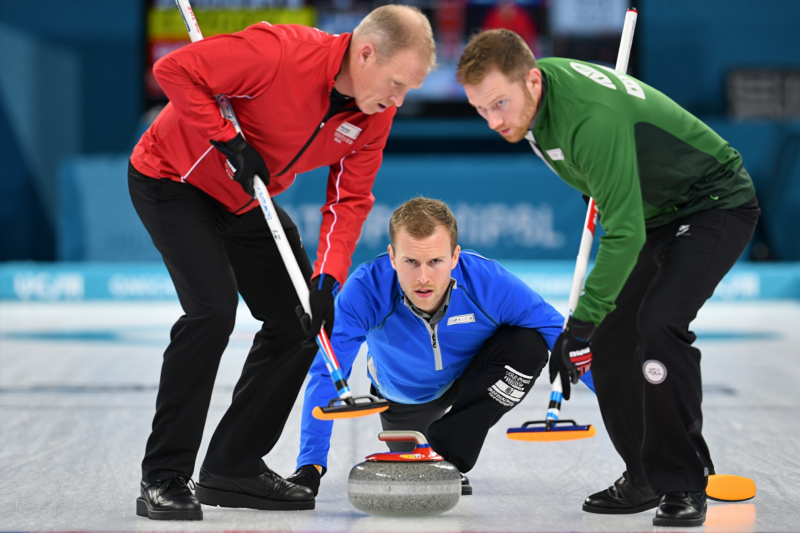
In the world of curling, teamwork and clear role responsibilities are crucial for success. Whether you’re a coach, team captain, or an aspiring player, understanding lead, second, and third slip responsibilities helps streamline your team’s workflow, improve communication, and enhance overall performance. This article unpacks the specific duties associated with each position, offering insights into how managing these roles effectively can lead to better strategic execution and team harmony.
Understanding the Core Roles in Curling
Before diving into the responsibilities, it’s important to grasp the basic structure of a curling team:
| Position | Primary Focus | Typical Delivery Order | Key Responsibilities |
| Lead | Setting up the end | 1st and 2nd stones | Guard creation, initial sweeping |
| Second | Building on the lead’s work | 3rd and 4th stones | Take-outs, flexible shot-making |
| Third (Vice-Skip) | Supporting the skip | 5th and 6th stones | Shot-calling, sweeping, strategic discussions |
| Skip | Team strategist | Final stones | Reading the ice, strategic decision-making |
Lead, Second, and Third Responsibilities
Lead’s Responsibilities
Primary duties:
- Setting up the initial strategy of each end by throwing guards and draws.
- Delivering the first stones with precision to establish the tone of the end.
- Heavy involvement in sweeping to control shot speed and path.
- Assisting the team with communication and strategic alignment.
Key Skills:
- Strong accuracy in throws (guards, draws).
- Endurance for sustained sweeping.
- Excellent communication for early-end coordination.
Second’s Responsibilities
Primary duties:
- Building on the lead’s work by executing take-outs and peel shots.
- Adjusting strategy based on the situation and previous shots.
- Providing support in sweeping and team communication.
- Adapting to varying shot requirements with flexibility.
Key Skills:
- Versatility in shot selection.
- Strong sweeping skills.
- Ability to read the ice and adapt quickly.
Third’s (Vice-Skip) Responsibilities
Primary duties:
- Supporting the skip by executing complex shots such as raises and double-takes.
- Acting as the strategic advisor during the game and communicating the plan.
- Handling the final shots in tight situations.
- Sweeping and reading the ice, often taking on leadership during ends.
Key Skills:
- Tactical understanding of game strategy.
- Precision in complex shot execution.
- Leadership qualities to guide and coordinate the team.
How Responsibilities Differ by Position
| Attribute | Lead | Second | Third |
| Focus | Precision in initial setup | Flexibility and versatility | Strategy and complex shot execution |
| Typical Shots | Guards, draws | Take-outs, peel | Raises, double-takes, finesse shots |
| Sweeping Load | Heavy | Moderate to heavy | Moderate, with strategic insight |
| Strategic Role | Helping establish end | Building on the lead’s work | Assisting with game plan and final shots |
| Communication | Early end coordination | Adapting to evolving situations | Acting as a bridge between skip and team |
Best Practices for Managing Team Duties Effectively
1. Clear Role Definition Ensure every team member understands their specific responsibilities. Clarity reduces confusion and fosters responsibility.
2. Continuous Communication Encourage open dialogue between positions, especially between the third and skip, to align strategy.
3. Training and Skill Development Different roles require varied skills. Targeted training improves shot accuracy and strategic thinking.
4. Regular Strategy Meetings Use team timeouts or pre-game sessions to revisit roles, responsibilities, and game plans.
5. Feedback and Adjustment Review each end to provide feedback, realign responsibilities, and correct course for upcoming ends.
Frequently Asked Questions (FAQs)
What is the difference between the lead and second in curling?
The lead primarily sets up the end with guards and draws, focusing on precision and placement, while the second executes take-outs and peel shots, requiring versatility and adaptability.
How does the third’s role complement the skip?
The third supports strategic planning, assists with shot calling, and often throws the final shots in critical situations, acting as the team’s tactical advisor and execution expert.
Why is role clarity important for team success?
Clear responsibilities minimize overlaps and conflicts, ensuring each player focuses on their strengths, which leads to more efficient play and better results.
Final Thoughts
Understanding lead, second, and third slip responsibilities is fundamental for effective team management in curling. Clearly defined roles pave the way for seamless coordination, strategic execution, and ultimately, victory. Whether you’re coaching a team or refining your own skills, mastering these distinctions allows for optimized performance and elevates your approach to match analysis, technique development, and game strategy—all vital aspects explored at SweetIce Curling Hub.
If you’re committed to elevating your curling game, start by reviewing your team’s responsibilities today. Clear role delineation isn’t just organizational—it’s the secret to consistent success on the ice.