How Top Teams Use Timeouts and Coach Input for Clutch Success
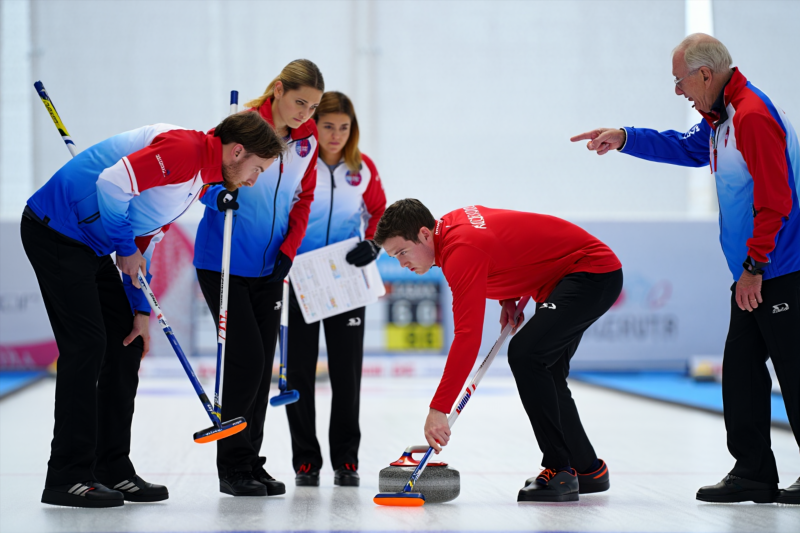
How Top Teams Use Timeouts and Coach Input for Clutch Success
In the high-stakes world of competitive curling, success hinges on more than just technical skill—it’s about strategic decision-making, psychological resilience, and real-time adjustments. Elite curling teams harness the power of timeouts and expert coach input to navigate clutch moments with confidence and precision. This article explores the sophisticated strategies top teams use during critical phases of play, revealing how these tactical pauses can be the difference between victory and defeat.
The Strategic Value of Timeouts in Curling
Timeouts are more than mere pauses; they are vital tools for managing momentum, clarifying strategy, and re-centering the team.
Why Elite Teams Use Timeouts
- Momentum Shift Management: In curling, momentum can swing quickly. A timeout allows teams to halt an opponent’s run and reset their own mental state.
- Strategy Reassessment: Critical stones often require a shift in approach. Timeouts provide an opportunity to reconsider tactics based on current ice conditions and score situation.
- Psychological Reset: The pressure of high-stakes shots can cause anxiety. Coaches and players use timeouts to refocus, reduce stress, and boost confidence.
When to Call a Timeout
Top teams are adept at recognizing the signs that a timeout might be needed:
- When the opposition gains a significant advantage.
- When facing a difficult shot or sequence.
- To counter a run of bad luck or miscommunication.
- To clarify roles and responsibilities during complex end setups.
Coach Input: The Invisible Edge in Clutch Moments
Coaches are often seen as silent strategists on the sidelines, but their real impact manifests during clutch moments, thanks to meticulous preparation and real-time advice.
The Role of the Coach During High-Pressure Situations
- Analyzing the Current State: Coaches interpret live data—ice conditions, shot trajectory, and opponent tendencies—to guide decision-making.
- Adjusting Strategies: Based on observations, they suggest modifications, such as line changes, weight adjustments, or shot selection.
- Psychological Support: Coaches act as anchors, calming nerves and reinforcing a winning mindset during tense moments.
How Elite Coaches Prepare for Clutch Situations
- Pre-Game Planning: Developing contingency plans for various end scenarios.
- Studying Opponents: Understanding opponents’ preferred shots and tendencies to anticipate their moves.
- Simulating Pressure: Training players with simulated high-pressure situations to enhance mental toughness.
Case Studies: Success Stories of Timeout and Coach Strategy
| Team | Clutch Situation | Timeout/Coach Intervention | Result |
| Team A | Tied end, last stone | Coach suggested a sweeping adjustment | Made a perfect shot, secured win |
| Team B | Opponent in scoring position | Team called critical timeout | Reorganized shots, prevented multiple points |
*(Note: These real-world examples highlight the tangible benefits of strategic pauses and coach input during clutch moments.)*
Implementing Timeout and Coaching Strategies for Your Team
Whether you’re an aspiring club player or an emerging elite squad, integrating these tactics can elevate your performance:
- Recognize the Signs: Educate your team to identify when a timeout is necessary.
- Designate a Coach or Captain: Someone to observe and advise during critical moments.
- Practice Scenario-Based Training: Simulate high-pressure ends to build mental resilience and decision-making skills.
- Use Timeouts Wisely: Avoid frivolous pauses; plan their use for genuine strategic or psychological resets.
Frequently Asked Questions
Why are timeouts so crucial in curling?
Time limitations and the fast pace of the game mean teams often need quick strategic or psychological adjustments. Properly timed timeouts can disrupt the opponent’s momentum and give your team an edge.
How do elite coaches decide when to give advice?
They target moments when the team is visibly shaken, when ice conditions change dramatically, or when a tactical shift could lead to a better outcome. Their decisions are based on experience, data, and instinct.
Can practicing timeout strategies improve team performance?
Absolutely. Regularly simulating clutch situations and practicing communication plans prepare teams to handle real pressure effectively.
Final Thoughts: Mastering Clutch Moments with Strategic Pauses and Expert Input
Achieving excellence in curling requires more than just technical proficiency; it demands strategic foresight, mental toughness, and agile decision-making. Elite teams leverage timeouts and coach insights as critical tools to navigate the intense, high-pressure moments that define victory. By understanding and implementing these strategies, your team can enhance performance, boost confidence, and consistently perform at a top level in every critical end.
*Ready to elevate your curling game? Discover in-depth match analysis, team strategy development, and cutting-edge science of the sport at SweetIce Curling Hub—your modern curling platform for mastering the art of precision and performance.*