How to Balance Training Drills and Scrimmages Effectively
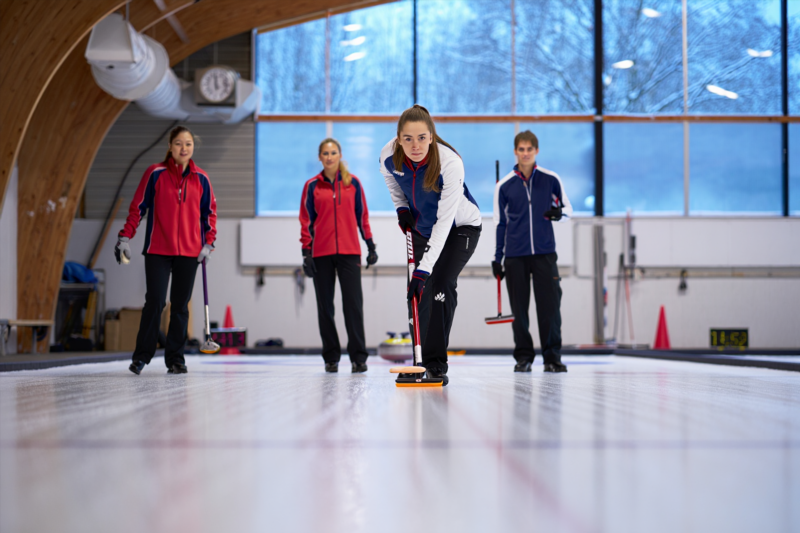
Achieving peak performance in curling requires a carefully designed practice that balances technical repetition with competitive simulation. At SweetIce Curling Hub, we understand the importance of optimizing every session to develop team strategy, refine technique, and elevate overall gameplay. Striking the right balance between drilling key skills and engaging in scrimmages is essential for ensuring continuous improvement, building team cohesion, and maintaining high-quality practice sessions.
In this guide, you’ll discover proven strategies to seamlessly integrate repetition drills and game simulations, maximizing training effectiveness and accelerating team development.
Why Is Balancing Drills and Scrimmages Critical?
Balancing targeted drills with realistic game scenarios creates a comprehensive training environment. Here’s why both elements are vital:
- Drills help isolate and perfect specific skills such as stone control, delivery technique, and sweeping mechanics.
- Scrimmages provide contextual understanding, strategic decision-making, and team communication under pressure.
An effective practice thoroughly incorporates both to ensure players develop technical proficiency while also adapting their skills to real-game situations.
Key Strategies for Balancing Practice Components
1. Define Clear Objectives for Each Session
Before initiating any practice, set specific goals:
- Technical mastery: Focus on sweeping physics, delivery accuracy, or ice reading.
- Tactical awareness: Practice end-by-end tactics, communication systems, or mixed doubles dynamics.
- Mental resilience: Enhance psychological resilience and performance under pressure.
Tip: Divide your practice into segments with designated objectives to ensure balanced coverage.
2. Structure Your Practice Session Effectively
Design your session with a deliberate mix:
| Phase | Duration | Purpose |
| Warm-up & drills | 20-30 minutes | Technical skill refinement |
| Focused repetition drills | 30-40 minutes | Reinforce mechanics and techniques |
| Scrimmage or simulated games | 30-45 minutes | Apply skills in a strategic context |
| Cool-down & review | 10-15 minutes | Reflection, feedback, and mental recovery |
Expert Tip: Use a timer or session outline to stick to these segments, ensuring variety and comprehensive coverage.
3. Prioritize Drill Types Based on Team Needs
Assess your team’s strengths and weaknesses:
- For technical improvements, emphasize specific drills like stone control and delivery.
- For strategic development, incorporate scenario-based scrimmages focused on game tactics and communication.
4. Incorporate Progressive Complexity
Start with fundamental drills and gradually introduce complexity to simulate real match conditions. For example:
- Begin with static stone control drills.
- Move to weighted delivery practices.
- Conclude with full-end scrimmages where players execute complex strategies.
5. Use Feedback and Data-Driven Adjustments
Monitor progress through:
- Video analysis of delivery and sweeping mechanics.
- Performance metrics during drills and scrimmages.
- Player feedback on difficulty and confidence.
Continuously tailor your practice balance based on these insights.
Expert Tips for Maximizing Practice Quality
- Blend drills and scrimmages within sessions to keep players engaged and prevent monotony.
- Simulate match pressure during drills, such as imposing time limits or scoring systems.
- Rotate focus areas to ensure all aspects of play are covered over multiple sessions.
- Encourage open communication among players during scrimmages to foster strategic thinking and team cohesion.
- Incorporate mental training techniques like visualization and stress management during practice.
Addressing Common Questions
How often should I incorporate scrimmages into practice sessions?
Ideally, every practice should include a segment of game-like scrimmage or simulation—generally 30-45 minutes—after technical drills. This ensures skills are contextualized and applied under realistic conditions.
What if my team struggles with a specific skill during scrimmages?
Use targeted drills to isolate and improve that skill. For example, if stone control is lacking, dedicate extra time to precision drills before returning to full scrimmages for integration.
How can I prevent practice from becoming monotonous?
Vary drill formats, introduce mini-competitions, and set specific challenges for each session. Changing the environment and goals maintains engagement and motivation.
Final Thoughts
Balancing high-quality drills and scrimmages is crucial for advancing team performance in curling. Strategic session design, clear objectives, and continual feedback foster an environment where technical mastery and tactical awareness develop hand-in-hand. By applying these expert tips, coaches and teams can transform their practices into highly effective sessions that accelerate growth, improve consistency, and elevate competitive readiness.
Embrace the science of precision curling—practice smart, and watch your team reach new heights.
Ready to master your practice routines? Explore our detailed guides on event coverage, team strategy, and the latest advances in the science of curling at SweetIce Curling Hub. Join our community of passionate curlers dedicated to continuous improvement!