Guard Draw and Hit Strategy to Improve Shot Selection
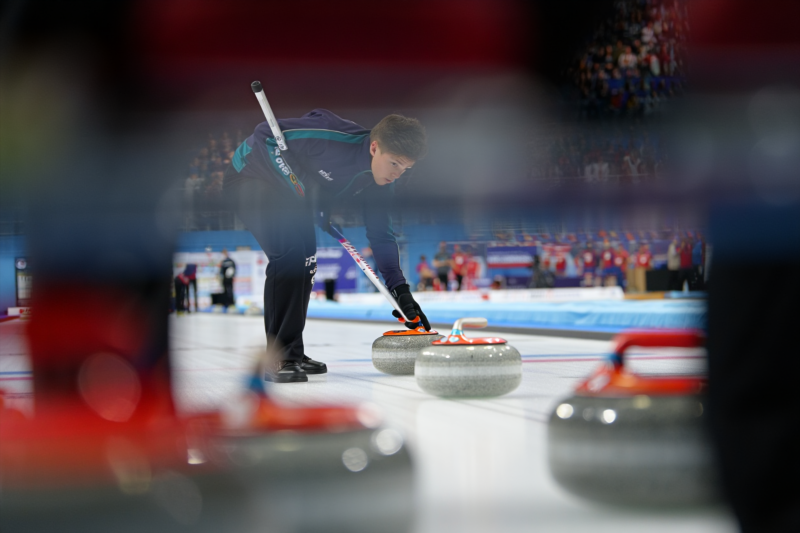
Unlock Smarter In-Game Decisions with a Structured Shot Selection Framework
In the fast-paced world of curling, split-second decisions often determine the outcome of a match. Whether you’re navigating complex end-by-end strategies or aiming for precision under pressure, mastering shot selection is pivotal. SweetIce Curling Hub is dedicated to equipping players and teams with cutting-edge insights into match analysis, team strategy, technique development, and the science behind the sport. Today, our focus is on optimizing your shot decision-making by implementing a robust guard draw and hit shot framework—a systematic approach to elevate your performance during critical moments.
Why Is Shot Selection Crucial in Curling?
Effective shot selection can be the difference between gaining a strategic advantage and conceding points. It involves assessing current game situations, predicting opponent responses, and executing with precision. The core challenge lies in choosing the most advantageous shot—be it a guard, draw, or hit—based on real-time conditions.
Key factors influencing shot selection include:
- Ice conditions: Speed and curl characteristics
- Scoreboard situation: Leading or trailing strategies
- Stone placement: Existing stones’ positions
- Team strengths and weaknesses
By adopting a structured approach, players can make smarter decisions, reducing errors and increasing consistency throughout a match.
The Guard Draw and Hit Shot Selection Framework
This framework provides a step-by-step process to evaluate each shot opportunity effectively. It categorizes shots into three primary types—Guard, Draw, and Hit—and guides decision-making based on game context.
1. Assess the Current Situation
Start by analyzing:
- Your team’s score and end strategy
- The position of stones in play
- Ice conditions and how they influence shot effectiveness
Question to ask: What do I want to achieve with this shot? (e.g., protect, peel, score)
2. Identify Potential Shots: Guard, Draw, or Hit
- Guard: Protects existing stones or sets up future shots
- Draw: Advances a stone into scoring position
- Hit: Removes an opponent’s stone or alters the layout strategically
3. Evaluate Shot Risks and Benefits
Consider:
- The likelihood of success given your skill level
- The potential to set up the next shot advantageously
- The safety margin—minimizing risks of giving up points
4. Select the Optimal Shot
Choose the shot that:
- Aligns with your end-game plan
- Offers the highest success probability
- Enhances strategic positioning for subsequent shots
5. Execute with Precision and Adapt
During execution, stay flexible. Ice conditions can change unexpectedly, so adapt your shot plan if necessary.
Applying the Framework in Different Game Scenarios
| Scenario | Recommended Strategy | Key Considerations |
| Leading in the End | Use guards and safe draws to protect your advantage | Minimize risks, set up future shots |
| Trailing in the End | Aggressive draws or hits to score or disrupt opponent’s setup | Balance risk and reward, target scoring zones |
| Opponents’ stones blocking the house | Use guard to gain time or peel stones with targeted hits | Control the ice, force opponent to make difficult shots |
Tips for Smarter Shot Selection
- Develop a mental checklist to quickly evaluate each shot
- Visualize the shot trajectory and potential outcomes
- Communicate effectively with teammates to confirm strategies
- Practice various shot types under game-like conditions to increase confidence
Frequently Asked Questions
How does this shot framework improve my overall performance?
By systematically evaluating each shot opportunity, you reduce hesitation, eliminate risky choices, and execute more consistently. Over time, this leads to smarter in-game decisions, more accurate shots, and higher overall performance.
Can this framework be adapted for doubles or mixed doubles play?
Absolutely. The principles of assessing risk, game situation, and shot outcomes remain consistent across different formats. Adapting the framework to specific formats involves tailoring shot priorities based on team roles and game dynamics.
What role does psychology play in shot selection?
Confidence and mental clarity directly influence decision-making. A structured framework reduces ambiguity, minimizes second-guessing, and builds strategic discipline—key components of peak psychological performance.
Final Thoughts
Mastering guard draw and hit shot selection through a structured framework is essential for players aspiring to elevate their game. By focusing on informed decision-making, understanding game context, and executing with precision, you’ll become a more strategic, reliable competitor.
Ready to take your curling performance to the next level? Incorporate this shot selection framework into your practice and matches, and see how smarter choices become second nature.
Call to Action
Join SweetIce Curling Hub’s community to access in-depth match analysis, expert strategy guides, and personalized coaching tips designed to refine your shot selection skills. Subscribe now and transform your game with science-backed strategies and proven techniques!