Communication for New Teams How to Create a Unified Voice
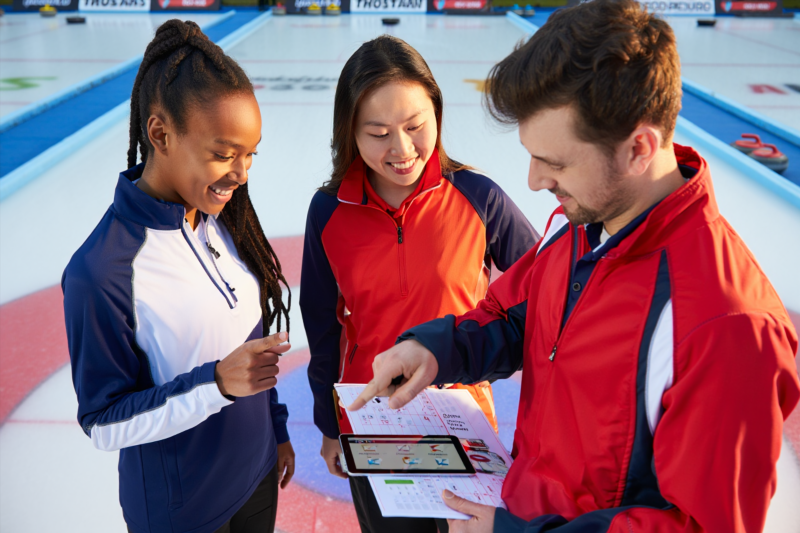
In the fast-paced world of curling, especially for new teams, effective communication is the cornerstone of success. Whether you’re discussing sweeping strategies, calling signals, or adjusting tactics, having a shared language ensures clarity, reduces misunderstandings, and fosters seamless collaboration. At SweetIce Curling Hub, we understand that building this unified voice is essential for developing cohesive team dynamics and elevating performance.
In this article, we’ll explore practical tips to establish a shared language for calls, empowering your team to communicate confidently and efficiently on the ice.
Why Is Shared Communication Vital for New Curling Teams?
- Enhances Clarity: Clear, consistent language prevents misinterpretations during critical moments.
- Speeds Up Decision-Making: Quick, precise calls improve reaction times and strategic adjustments.
- Builds Team Cohesion: Developing a common vocabulary creates trust and camaraderie among team members.
- Supports Strategy Development: Effective communication facilitates the implementation of complex tactics and techniques.
Practical Tips to Build a Shared Language and Foster Team Success
1. Establish Clear, Consistent Terminology
Begin by identifying key terms and calls used for strategy, communication, and coordination. Standardize the language so every member understands and uses it confidently.
Action Steps:
- Create a Glossary: List essential calls such as “broom!” for sweeping, “dead eye” for precise shot, or “up weight” for increased speed.
- Use Simple, Descriptive Phrases: Avoid jargon or ambiguous terms; aim for clarity.
- Practice Regularly: Incorporate these terms into practice sessions until they become second nature.
2. Develop Familiar Call-and-Response Patterns
Implement consistent call-and-response routines that all team members memorize and understand.
Examples:
- Caller announces the shot, e.g., “Here comes the right freeze,” and others respond with acknowledgment or instructions.
- Use cue words like “clean!” or “house!” for specific actions or positions.
3. Customize Calls Based on Team Dynamics
Recognize individual strengths and communication styles to tailor calls that suit your team. For instance, some players may prefer concise codes, while others respond better to detailed instructions.
Tip:
- Conduct team discussions to agree on preferred terminology and call structure.
4. Incorporate Visual and Tactile Cues
Supporting verbal communication with non-verbal signals or physical gestures enhances clarity, especially in noisy or stressful environments.
Examples:
- Hand signals for calling sweep intensity.
- Eye contact to confirm understanding before executing a shot.
5. Practice Under Realistic Conditions
Simulate game scenarios during practice, emphasizing communication protocols. This helps replicate the pressure and distractions of an actual match.
Strategies:
- Run mock games emphasizing call accuracy.
- Introduce time constraints to improve quick decision-making.
6. Debrief and Refine Communication Practices
Post-practice or post-game reflection sessions help identify what communication strategies worked and what needs adjustment.
Questions to Address:
- Were calls understood and executed correctly?
- Did any misunderstandings occur? How can they be prevented?
- How can the shared language be improved?
Addressing Common Challenges in Building Team Communication
| Challenge | Solution |
| Different communication styles | Establish common ground early; encourage open dialogue. |
| Noise disruption | Use visual cues or technology (e.g., headsets) if available. |
| Anxiety or pressure | Foster a supportive environment to encourage open communication. |
Frequently Asked Questions
How long does it take to build an effective shared language?
It varies, but with consistent practice and intentional communication drills, teams typically see improvement within a few sessions. Ongoing refinement is essential as team dynamics evolve.
Can this approach work for mixed doubles teams?
Absolutely. Clear, concise communication is even more critical in mixed doubles, where quick decisions impact every shot. Tailor calls to fit the small-team context.
What tools or technology can aid team communication?
- Hand signals or visual aids
- Communication devices like wireless headsets (if permitted)
- Visual charts with call definitions for reference
Building a shared language for team communication is a strategic investment in your curling team’s success. Effective calls foster understanding, speed, and cohesion, turning individual skills into collective mastery. Start today by establishing clear terminology, practicing response routines, and continuously refining your communication practices.
Remember, in curling, as in all precision sports, the power of clear, unified voice can be the difference that wins matches. Unlock your team’s full potential by creating a strong, shared communication system—your pathway to consistent victory begins with your words.
For more insights on team strategy development, technique refinement, and the evolving science of curling, visit SweetIce Curling Hub, your modern curling platform dedicated to advancing your game.